

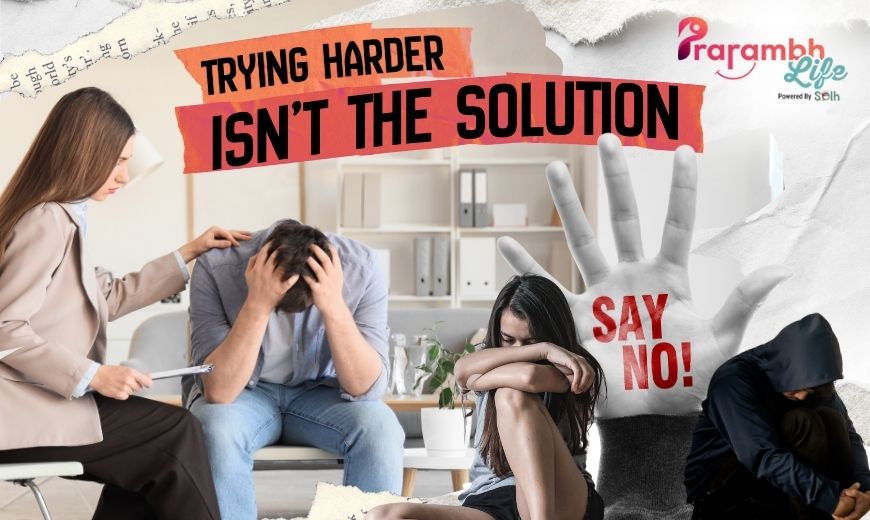
Why Willpower Fails in Addiction Recovery
Willpower fails in addiction recovery because addiction is not a discipline problem—it’s a brain-and-behavior problem. Addiction recovery plans that rely only on motivation ignore how addiction alters reward pathways, stress responses, and habit loops. Sustainable recovery requires structured addiction treatment programs, relapse prevention strategies, and system-based support—not motivation alone.
What Does “Willpower” Mean in Addiction Recovery?
In common language, willpower implies self-control: “If I really want it, I’ll stop.”
In addiction recovery services, this belief is misleading.
Addiction rewires the brain’s reward and stress systems. Decisions are no longer made from calm logic but from urgency and craving. Expecting willpower to override this biology is like expecting focus during sleep deprivation—it’s not how the system works. This is why modern addiction recovery support focuses on structure rather than force.
Why Willpower Fails (Science Explained)
1) Addiction Hijacks the Reward System
Repeated exposure sensitizes dopamine pathways. Triggers (stress, cues, emotions) create intense urges before conscious choice kicks in. Willpower arrives late to the fight—especially in behavioral addiction types such as phone addiction, internet addiction, social media addiction, and gaming addiction.
2) Stress Beats Self-Control
Stress reduces prefrontal control (planning, inhibition) and amplifies habit circuits. Under pressure, the brain defaults to the fastest relief it knows—old patterns. This is why relapse prevention strategies are critical in any effective addiction recovery plan.
3) Habits Run on Autopilot
Addiction embeds routines in the basal ganglia. Autopilot beats intention. You can want to stop and still do the thing—whether it’s substance use or digital addiction treatment needs.
4) Withdrawal Mimics Threat
Discomfort, anxiety, irritability, or restlessness feel like danger. The brain prioritizes relief over resolve, which is why de-addiction treatment must address stress regulation and nervous-system safety.
Bottom line: Willpower is episodic; addiction is continuous.
Common Myths That Keep People Stuck
- “If I fail, I didn’t want it enough.” → False. Biology ≠ motivation.
- “Once I quit, it’s over.” → False. Relapse risk follows stress and cues without relapse prevention systems.
- “Rules and bans will fix it.” → Often backfire without rewiring behavior.
These myths prevent people from seeking structured addiction recovery services or online addiction help. Understanding why relapse happens and how digital rehab helps you stay on track is often the missing link between intention and sustained recovery.
Signs You’re Relying on Willpower (Instead of a System)
- White-knuckling through urges
- Repeated “day one” restarts
- Doing fine until stress spikes
- Shame after slips
- Progress without stability
These are not personal failures—they’re signals that a system-based addiction treatment program is missing.
What Actually Works Instead of Willpower
1) Correct Classification
Recovery must match the addiction type:
- Behavioral addictions: habit loops + dopamine overstimulation (phone addiction, internet addiction, gaming addiction, social media addiction)
- Substance addictions: chemical dependence + emotional triggers (nicotine and smoking cessation needs)
Understanding addiction types explained correctly is the foundation of recovery.
2) Systems Over Motivation
Effective addiction recovery plans build guardrails:
- Trigger identification
- Habit rewiring
- Stress regulation
- Relapse prevention
- Ongoing addiction recovery support
This is why digital rehab and tech-enabled recovery programs are increasingly effective.
3) Data + Insight
Tracking patterns reveals when and why urges peak—before relapse happens. Technology in addiction recovery enables early intervention instead of repeated failure.
Recovery & Solution: How Prarambh Life Replaces Willpower with Structure
Prarambh Life is an AI-based addiction recovery platform and confidential online rehab solution designed to treat addiction with systems—not slogans. It offers separate tracks for behavioral and substance addictions through a digital de-addiction program, available as 3-month and 6-month formats depending on severity.
Behaviour Deaddiction Programs (Behavioral Addictions)
Best for: phone addiction, internet addiction, social media addiction, gaming addiction, and compulsive digital habits.
3-Month Behaviour Deaddiction
- Pattern mapping of triggers and routines
- Awareness modules to dismantle habit loops
- Stress tools to reduce compulsive urges
- Progress tracking and early relapse prevention
Goal: Stop escalation and restore control early through a structured 3-month digital rehab program.
6-Month Behaviour Deaddiction
- Deep habit rewiring and nervous-system regulation
- Emotional healing where behavior is used as escape
- Continuous monitoring to reduce relapse risk
Goal: Long-term stability using a structured 6-month digital recovery program.
Substance Deaddiction Programs (Substance Addictions)
Best for: cigarette and nicotine dependence.
3-Month Substance Deaddiction
- Trigger identification and craving management
- Support through early withdrawal
- Stress regulation to prevent cue-based use
Goal: Stabilize dependence through online addiction recovery support and prevent deepening.
6-Month Substance Deaddiction
- Structured recovery framework
- Emotional trigger resolution
- Extended relapse-prevention monitoring
Goal: Sustained freedom with lower relapse risk through an AI-powered digital rehab platform.
Why This Approach Works
- Treats behavioral vs substance addiction correctly
- Replaces willpower with repeatable systems
- Uses addiction recovery technology and AI-driven de-addiction programs
- Private, online, and accessible in India
- Focuses on prevention—not punishment
FAQ
Q1. Why can’t willpower stop addiction?
Because addiction alters brain circuits that control reward, stress, and habits. Willpower alone cannot override these changes.
Q2. Is relapse a sign of weak motivation?
No. Relapse usually follows stress or cues when relapse prevention strategies are not in place.
Q3. What’s better than willpower in recovery?
Structured addiction treatment programs that rewire habits, regulate stress, and prevent relapse.
Q4. Can recovery happen online?
Yes. Evidence-based online addiction recovery programs and confidential digital rehab platforms are effective when structured properly.
Final Insight
Willpower is useful—but it’s not a treatment.
Addiction recovery succeeds when systems replace struggle.
That’s why Prarambh Life focuses on AI-powered addiction recovery, structure, insight, and sustained support—so recovery doesn’t depend on how strong you feel today, but on a plan that works every day.


